The case for a well-rounded fitness program
For many of us, walking—or perhaps running—is the default form of exercise. It’s simple, inexpensive, and gets us out into the fresh air. Whether it’s a brisk morning walk or a jog through the park, this kind of movement feels good and is undeniably beneficial.
But here’s the catch: while walking and running are great for your health, they’re not the whole story—especially as we age. They’re part of the solution, but not the complete answer.
Let’s explore why.
The limits of walking and running
Cardio benefits will plateau over time
Walking and running are excellent for cardiovascular health. They strengthen your heart, improve lung capacity, and help manage weight. But over time, your body adapts. Unless you increase intensity—by walking faster, running longer, or adding resistance like a weight vest—you may stop seeing progress.
And realistically, there’s only so far or so long most of us want to go.
Strength: Use it or lose it
As we age, we naturally lose muscle mass—a process called sarcopenia. This decline accelerates after 50. Unfortunately, walking and running don’t do much for your upper body—your chest, back, shoulders, and arms. Even your legs aren’t being challenged in a way that builds strength.
Without resistance training, we risk losing not just muscle, but also the independence and confidence that come with being physically capable.
Bone health and more
Weight-bearing exercise is essential for maintaining bone density. Walking helps, but it doesn’t stimulate all the bones in your body. And then there’s balance, coordination, flexibility, and the mind-muscle connection—all of which benefit from a broader exercise routine.
 Why strength training matters—at any age
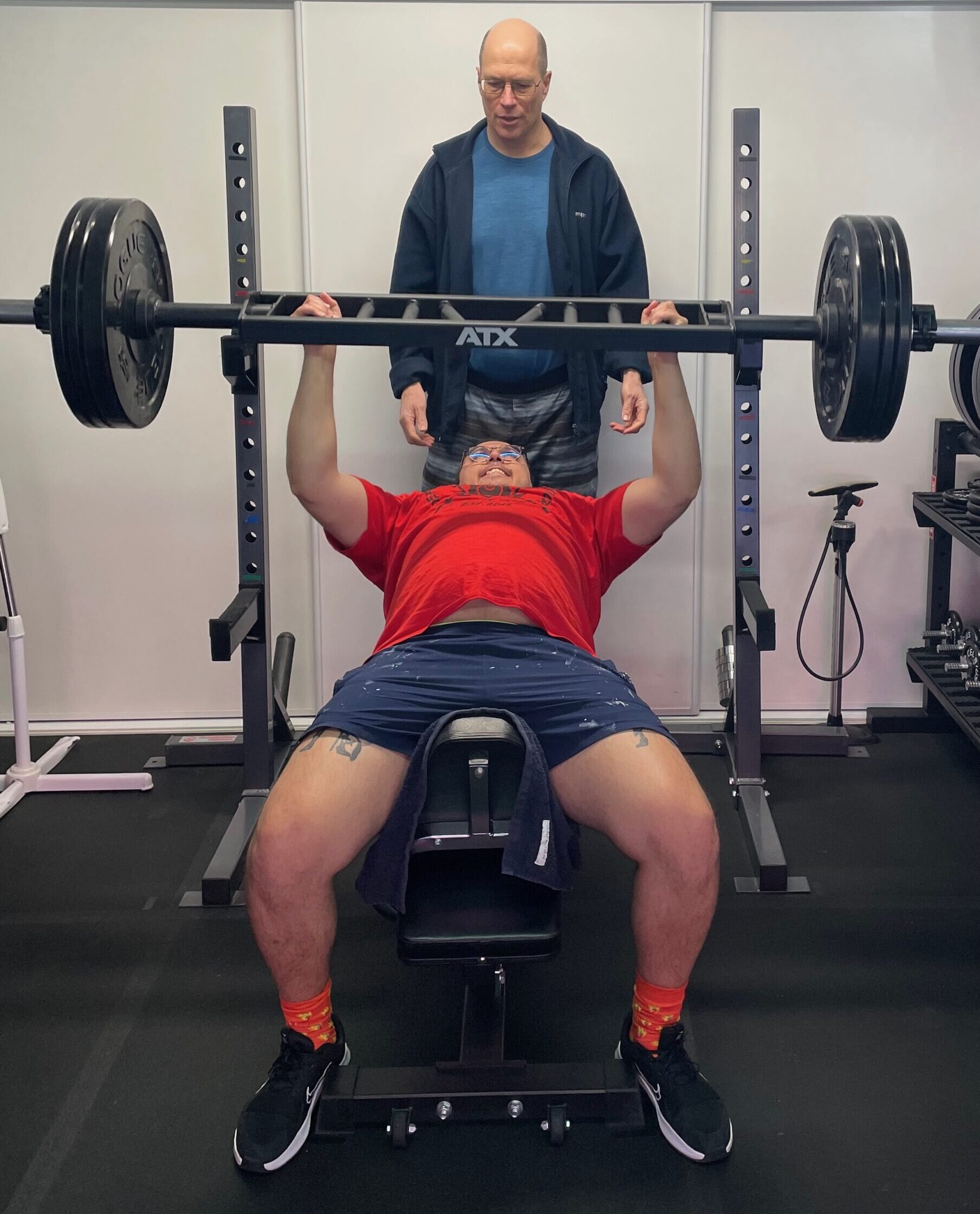
The research is clear: strength training offers major benefits for men and women over 50. It improves muscle mass, bone density, balance, metabolic health, and even brain function. It can help manage chronic conditions like arthritis, type 2 diabetes, and osteoporosis.
And here’s the best part: it’s never too late to start.
Even people in their 70s, 80s, and beyond can build strength and improve function with a well-designed resistance training program. This message is finally gaining traction, and more people are realising that strength isn’t just for athletes—it’s for everyone.
Ready to start? Here’s what to expect
If you’re ready to add strength training to your routine, you might be wondering where to begin. Here are some common challenges:
- You may be unfamiliar (or rusty) with the movements.
- You might feel more confident with someone watching your form.
- You may not know how to progress—when to increase weight or change exercises.
- You might not have access to equipment or space at home.
- Getting to and from a gym can be time-consuming.
- You may lack motivation to do it alone.
Practical solutions that work
Fortunately, there are solutions to all of these challenges:
- Hire a trainer – Even a few sessions can help you learn proper form and build confidence.
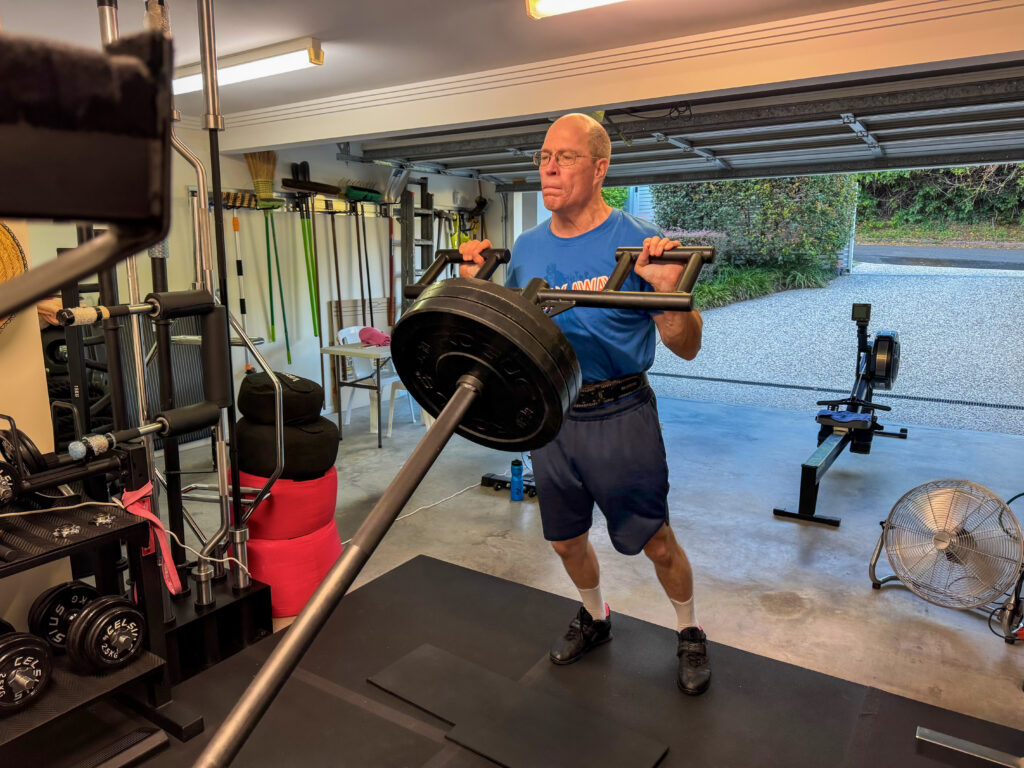
- Set up a home gym – A few key pieces of equipment (like resistance bands or dumbbells) can make a big difference.
- Try a private studio – These smaller, quieter spaces can be more welcoming and friendly than large gyms.
- Adjust your schedule – If you walk daily, consider dialling it back slightly to make room for strength training.
- Find a workout buddy – Accountability helps keep you on track.
What does a balanced routine look like?
Here’s a simple weekly framework:
- Walking – Keep doing it! Daily walking is fantastic for your heart, mood, and overall well-being.
- Strength Training – Aim for 2–3 sessions per week. If you also do yoga, Pilates, or tai chi, then 1–2 strength sessions may be enough.
- Flexibility and Balance – Activities like yoga or tai chi complement your routine beautifully.
- Rest and Recovery – Don’t forget to rest. That’s when your body rebuilds and gets stronger.
The joy of being strong
There’s something deeply satisfying about feeling strong and capable. Whether it’s lifting a heavy grocery bag, climbing stairs with ease, or simply getting up from the floor without help—strength brings confidence and independence.
Interestingly, it’s not just physical. Many people find that strength training improves their mood, sharpens their focus, and gives them a sense of accomplishment. Overall, being strong is empowering.
For business leaders, the confidence from strength training flows over into your dealing with clients, team members and in sales situations. Then, when you are travelling, putting your backpack into the overhead locker or retrieving your suitcase off the luggage carousel will hold no fears if you’ve grown accustomed to regularly handling more weight in your workouts.
Final thoughts
Walking and running are wonderful habits. Keep them up. But if you want to truly thrive—physically, mentally, and emotionally—consider adding strength training to your routine.
It’s never too late to start. And the benefits? They’re well worth the effort.